Safety testing and quality control
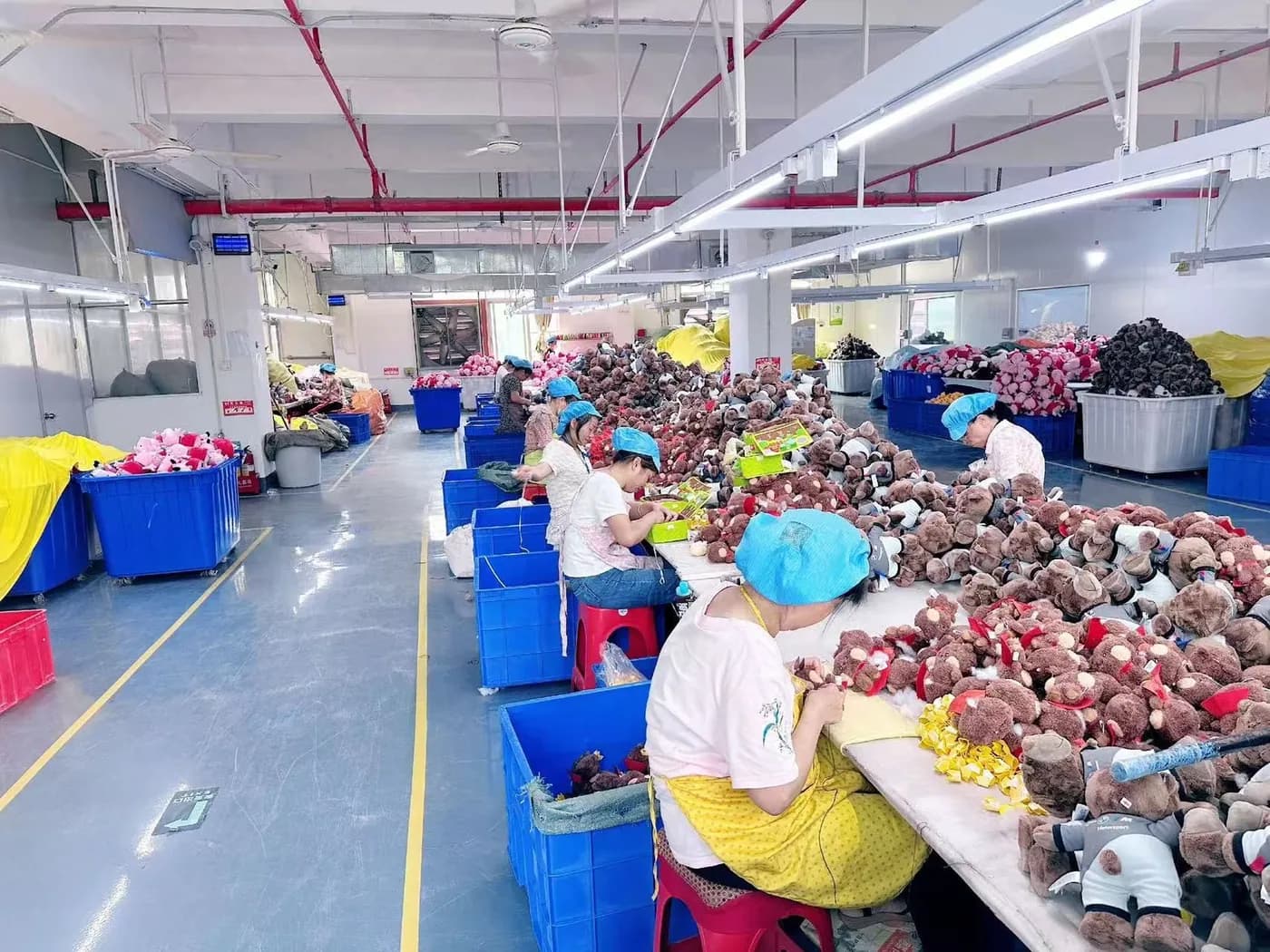
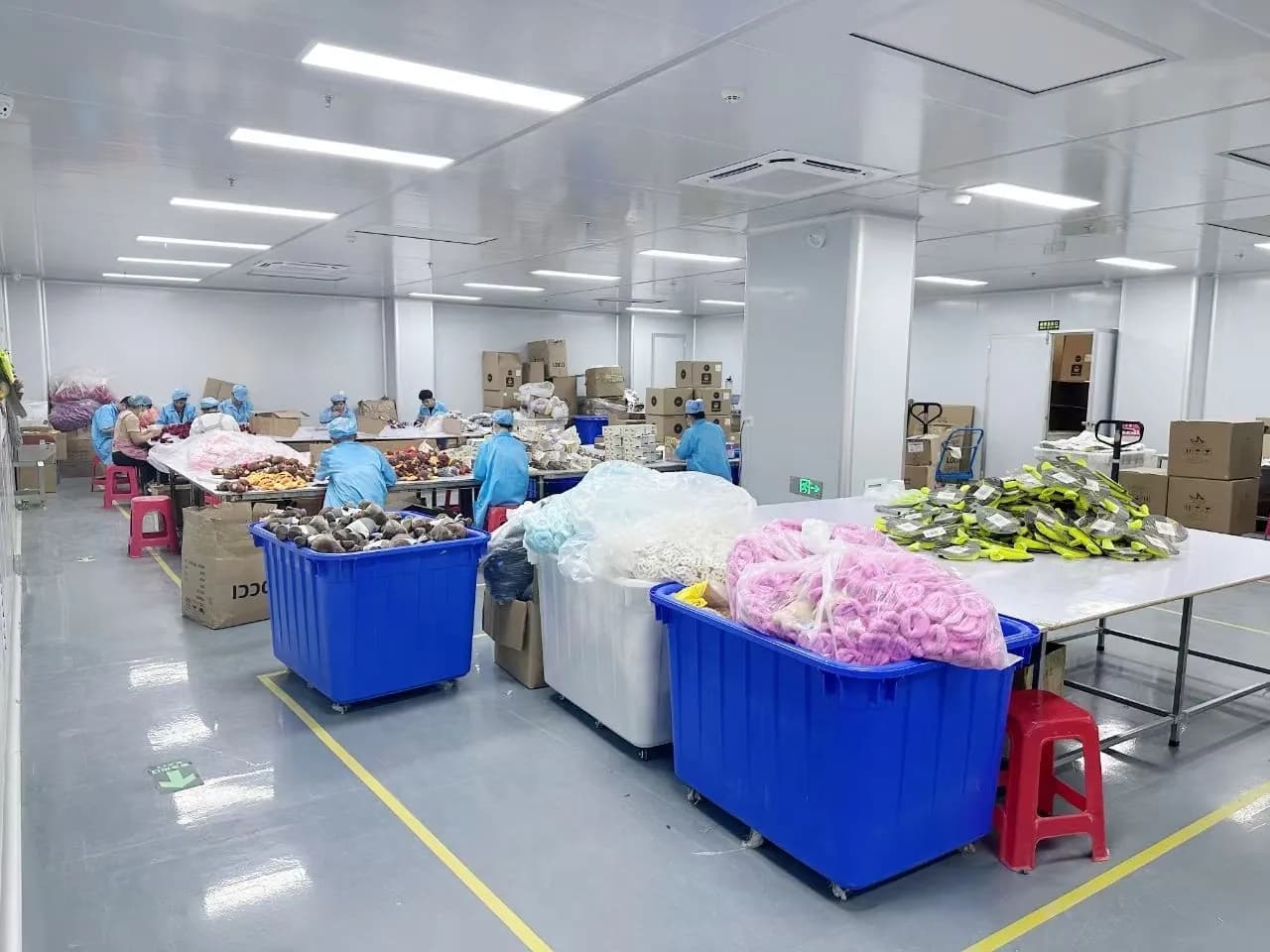
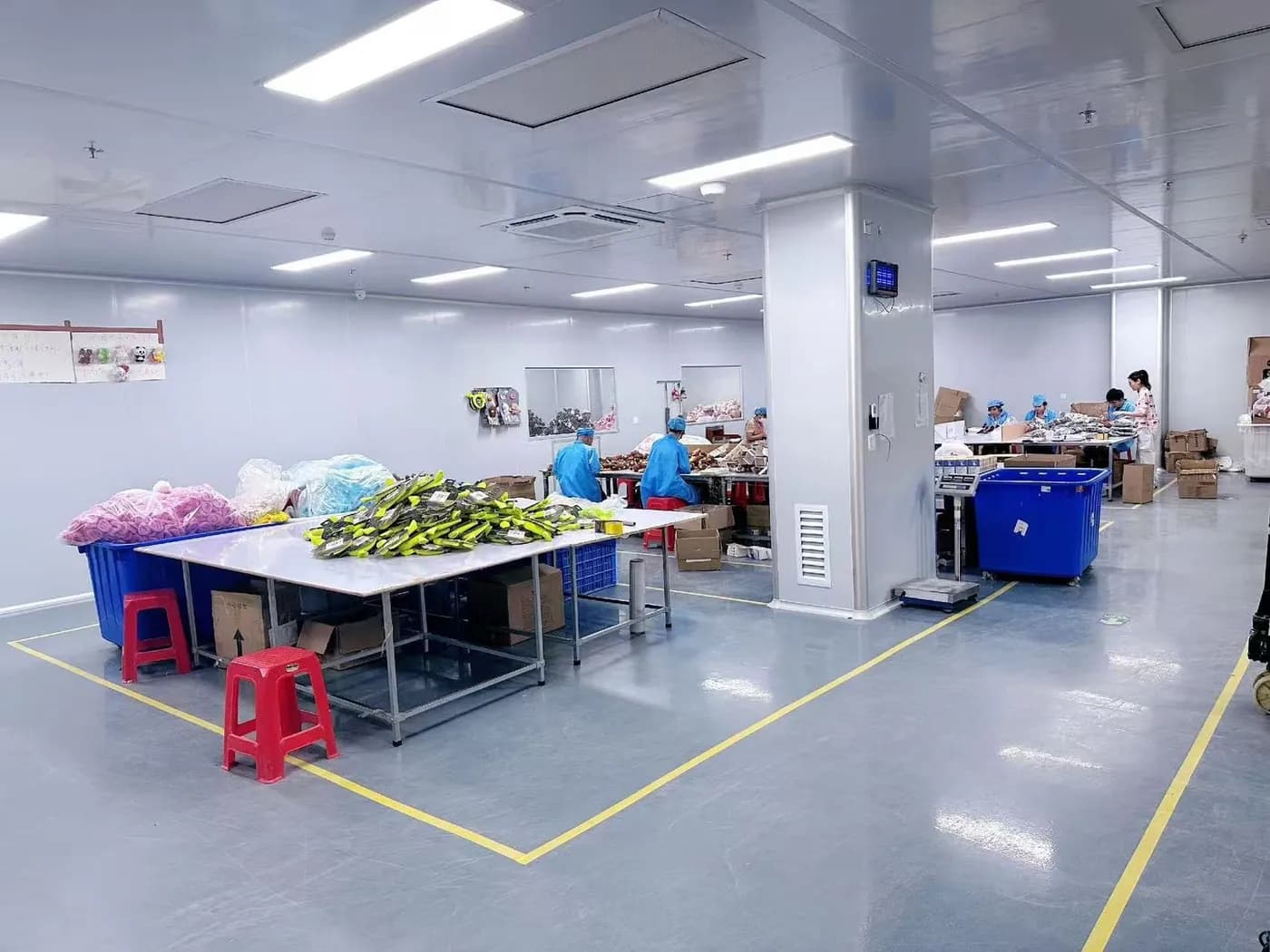
A soft toy is handled, chewed and slept on by the least careful users in the world. Everything below is either built into how the toy is made or checked before it leaves the building — and where a market demands a certificate, we arrange the test rather than asking you to take our word for it.
EN71 parts 1, 2 and 3 — Europe
Mechanical and physical properties, flammability, and migration of nineteen elements from the fabric, the fill and any coating. Required for CE marking and UKCA.
ASTM F963 and CPSIA — United States
Small parts and use-and-abuse testing, lead and phthalate content, plus tracking-label information on both the toy and its packaging.
GB 6675 and CCC — China
The Chinese national toy safety standard, where the goods are sold or distributed domestically.
ISO 8124 and AS/NZS 8124
International and Australasian equivalents, arranged through SGS, TÜV, Intertek or whichever laboratory your buyer already uses.
What gets checked, and when
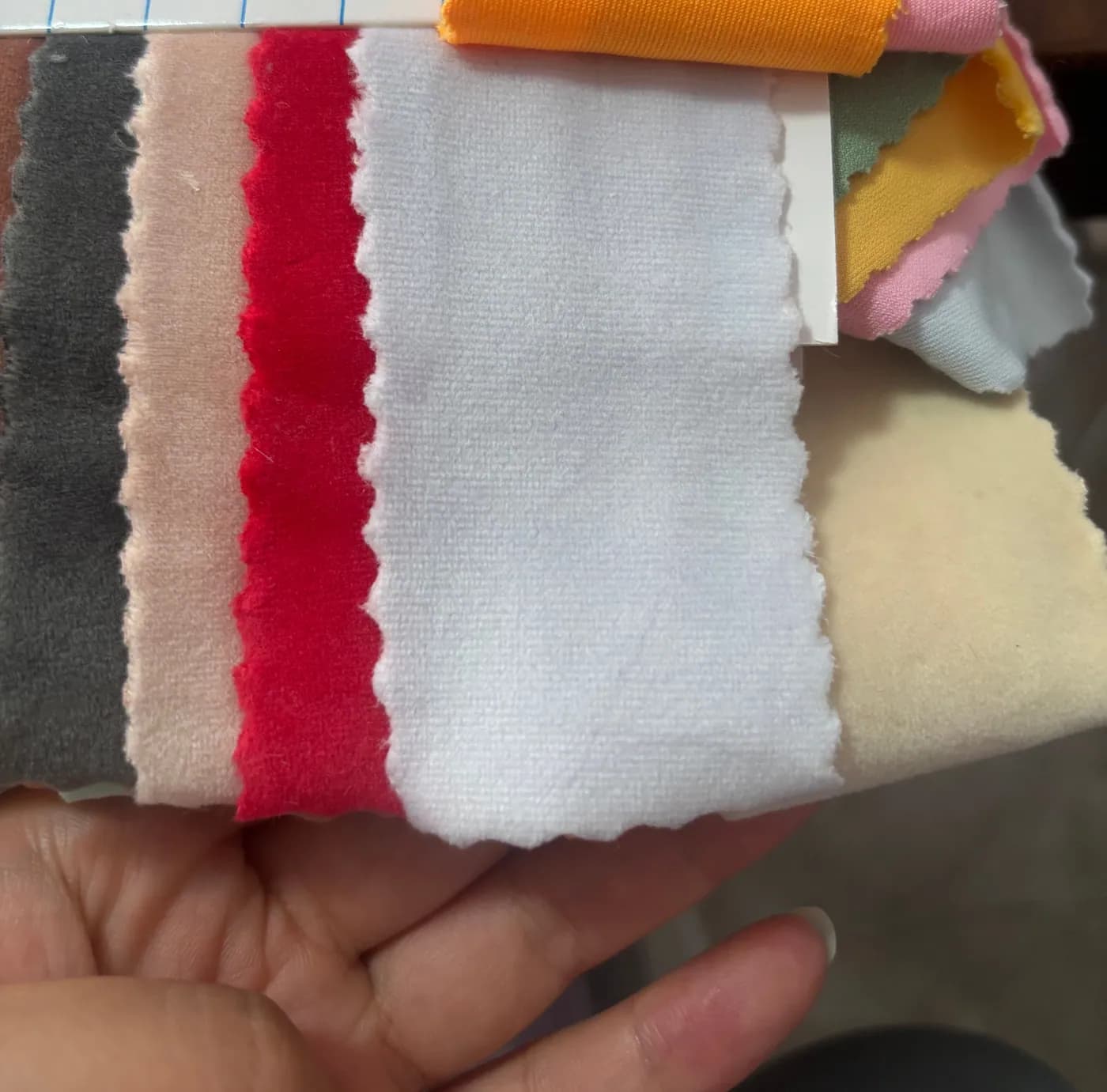
- Incoming fabric checked for colour against the approved swatch and for pile direction before cutting
- First-off inspection after the first twenty pieces, compared against the sealed golden sample
- Eyes, noses and any locked hardware pull tested at 90 N on a sampled basis every shift
- Seam strength tested at the neck, the limbs and any joint that carries the toy’s weight
- Fill weight checked on a scale rather than by feel, against the approved sample weight
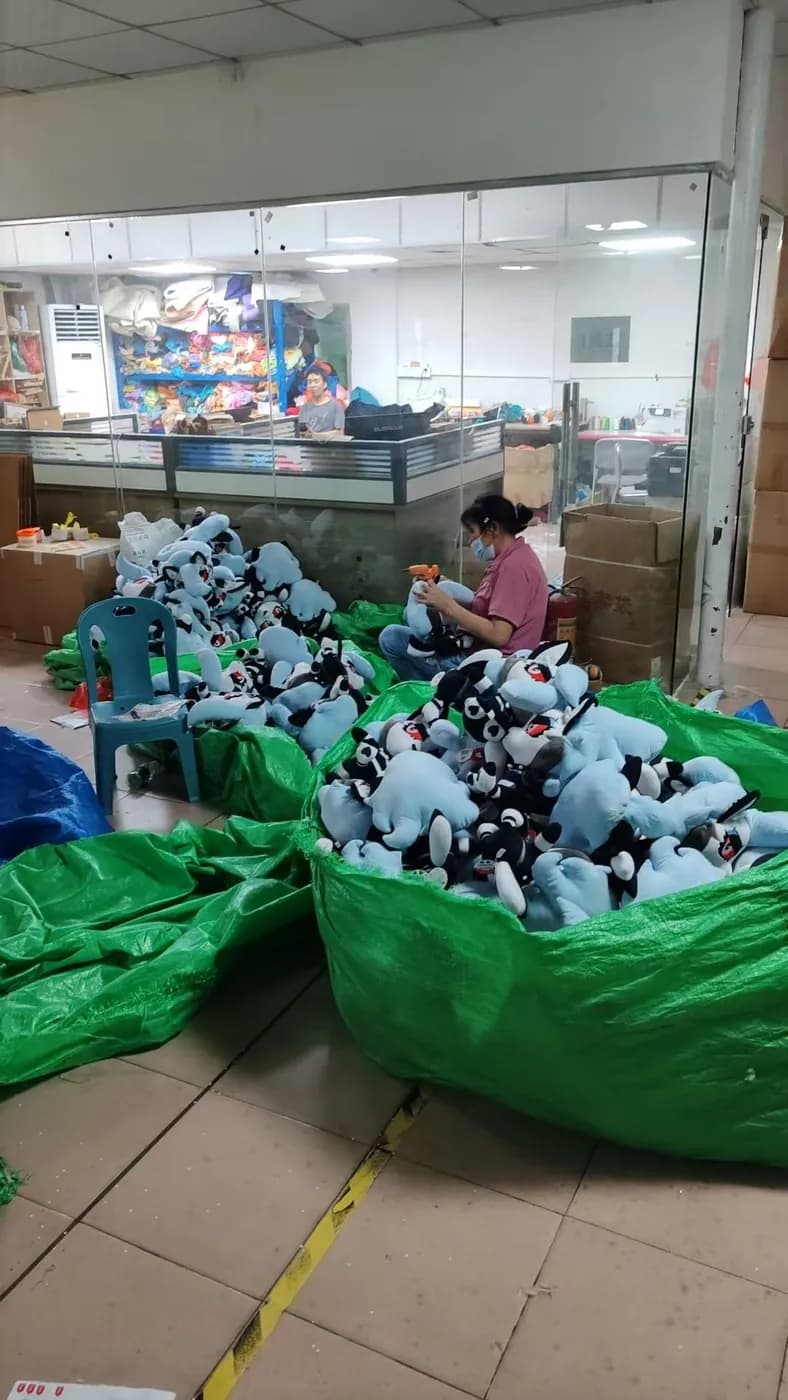
- Every finished unit passed through a needle detector, with the log kept in the order file
- AQL 2.5 general inspection level II on the finished lot before packing
- Carton drop test and a final count against the packing list before sealing
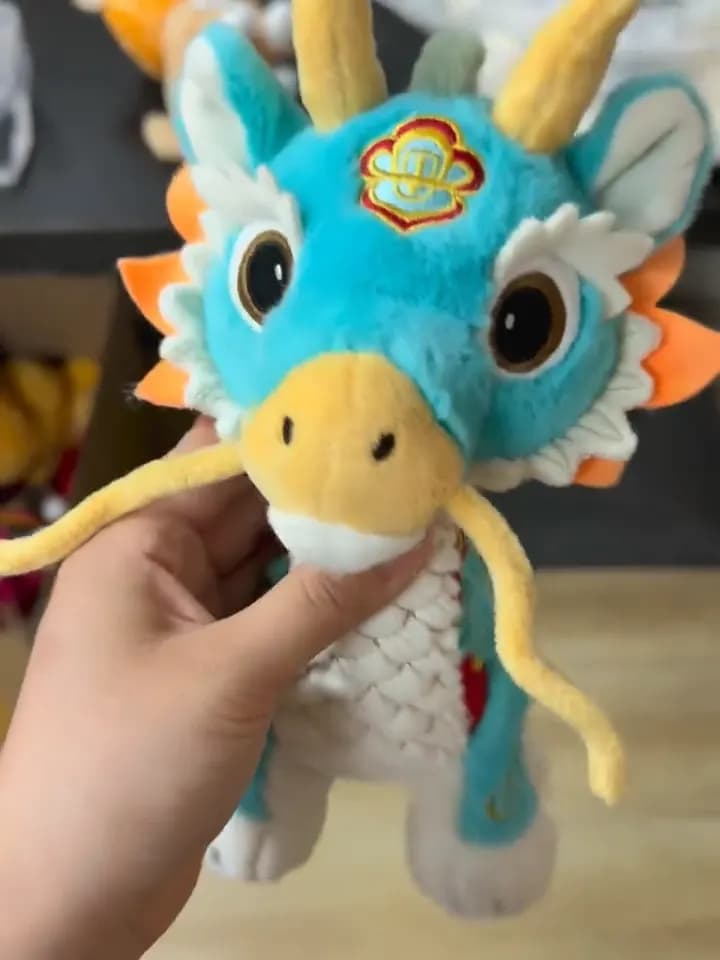
One finished sample, turned in the hand
A finished dragon sample turned under the light. This is the only view in which the embroidery, the pile direction and the seam lines can actually be judged — which is why every approval sample is filmed this way before a bulk run starts.
Materials we work in
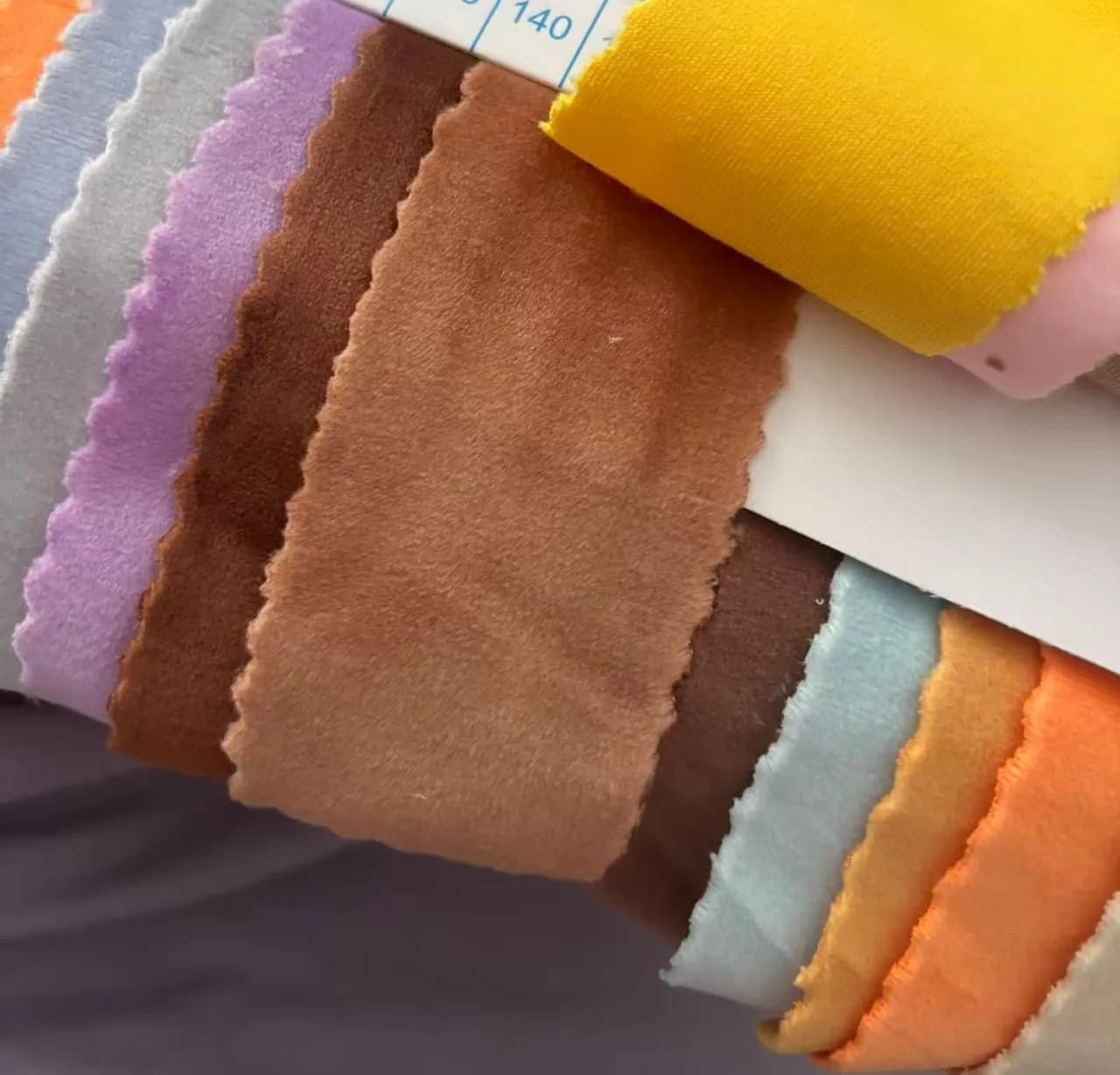
Pile fabrics
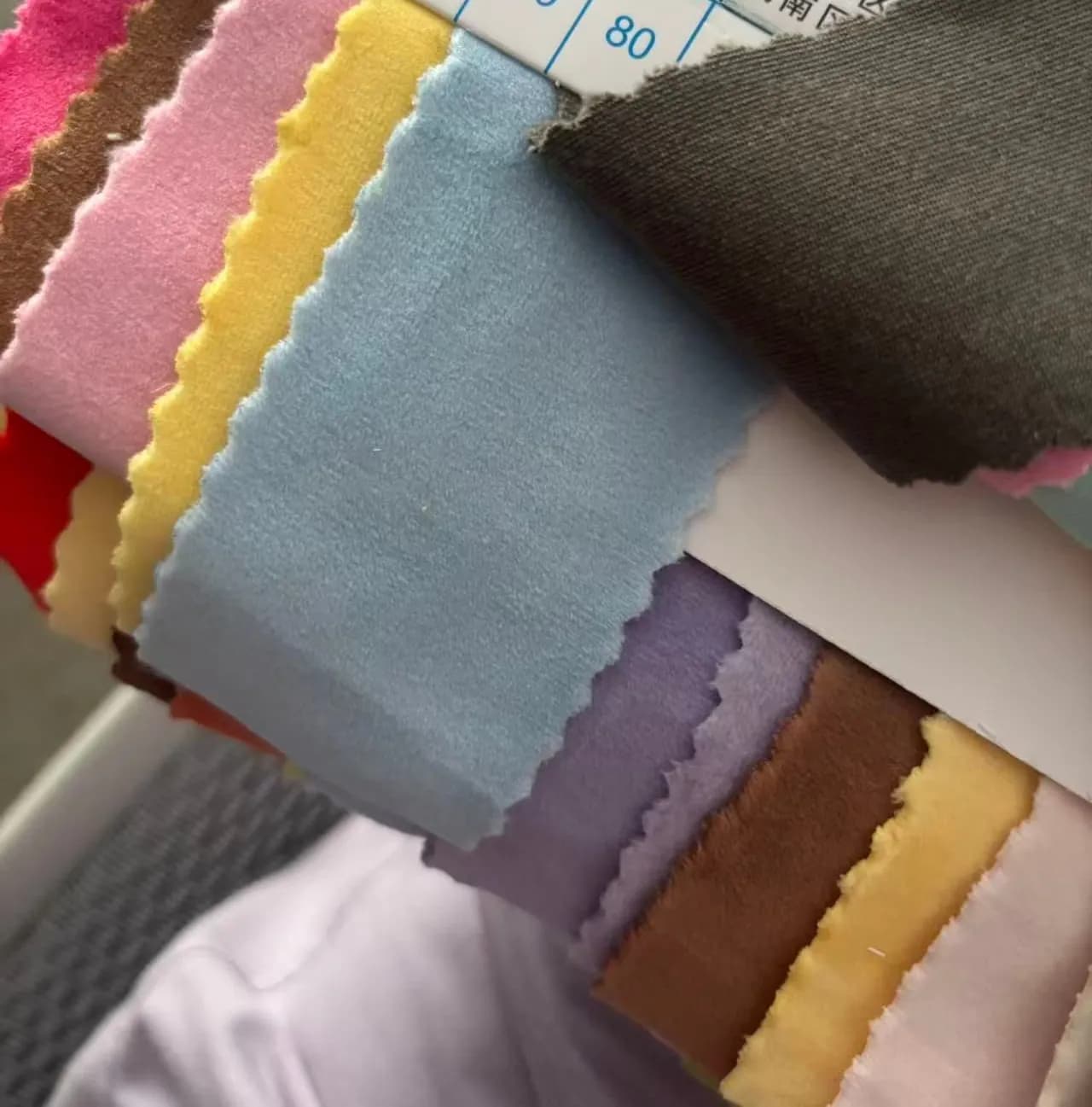
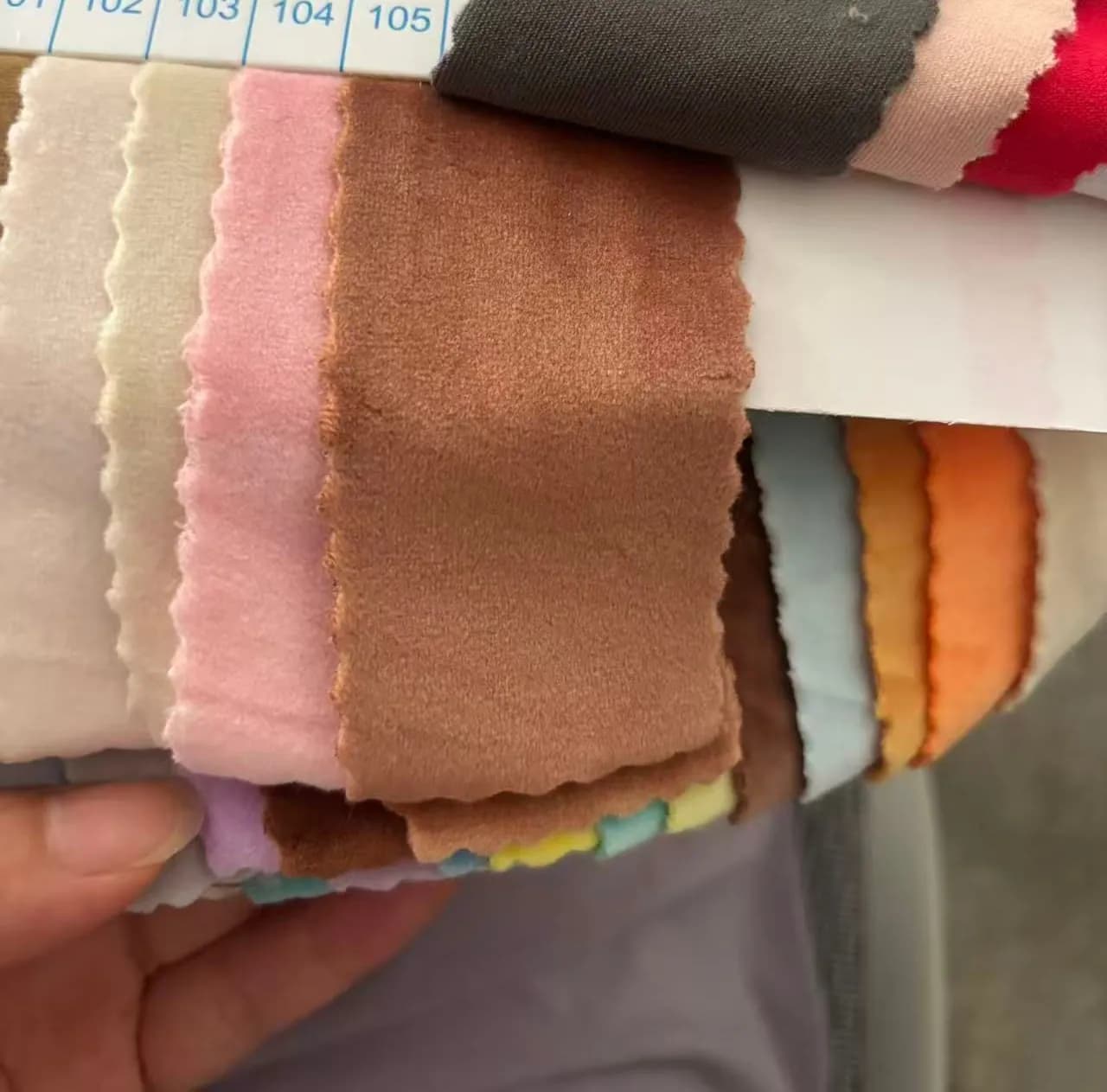
Short pile, long pile, sherpa, boucle, minky, velboa, corduroy and curly plush, in polyester or recycled PET where you need a recycled-content claim.
Filling
Virgin PP fibre as standard, tested to EN71-3. Poly-pellet weighting, memory foam and bean fill where the pose or the hand-feel calls for it.
Eyes and hardware
Locked plastic safety eyes and noses, embroidered eyes for under-three markets, and moulded resin parts where the character needs them.
Decoration
Flat and 3D embroidery, appliqué, sublimation and screen print, heat transfer, and woven or printed labels — all applied in-house.
Keep reading
Show us the drawing. We will put a price on it.
A rough sketch photographed on a phone is enough to begin. Tell us the finished height and roughly how many you need, and a costed quotation comes back within 12 working hours.